Elcam Safety
 Elcam Drug Delivery Devices
Product Customization
Amir Bohadana I 14.07.2021
Medical device customization means adapting components to fit a specific clinical workflow, product design, sterilization path, material requirement, regulatory need, or manufacturing constraint — without compromising usability, manufacturability, quality, or compliance.
For OEM medical device companies, customization is often required when a standard component cannot fully support the intended application. Elcam Medical helps OEMs customize disposable medical components such as stopcocks, manifolds, connectors, caps, spikes, drip chambers, and flow-control devices, combining broad component expertise with clinical know-how, engineering support, validation planning, and scalable manufacturing.
Customizing products to fit different needs of various applications and usage is a basic requirement of most manufacturing companies and in particular medical device manufacturers.
Medical device companies are consistently searching to develop new solutions for improved procedures and more effective patient treatment. The innovation of new solutions often requires customized devices and components which in many cases are small however essential part of the whole new product development.
Some manufacturers use in-house customization capabilities while others outsource projects to companies that have expertise in specific product lines, especially when it comes to smaller components and devices. To make it feasible for a company to invest such efforts in a specific component or a production line, it must be a company that focuses on a relative niche product line.
When it comes to medical product customization being able to customize products is good, but to truly be a significant partner in developing new systems, one needs to be familiar with the clinical area, have vast experience and internal knowledge in product customizations.
Furthermore, product customization processes require significant documentation in order to receive regulatory approval. In the medical device field this requirement is trifold – as each change requires regulatory approval and documentations according to ISO standards, biocompatibility, shipping tests and more.
Elcam Medical is a world class producer of disposable medical devices and accessories for the OEM market, and a provider of innovative solutions for specialized flow control needs.
Being an OEM company, the capability to customize our products to fit new developments is one of our most important assets.
Elcam’s focus on disposable components for OEM, enables us to invest a lot of efforts in this line which led us to having the broadest portfolio of stopcocks, manifolds and connectors for IV and drug delivery, with more than 1000 SKUs for the stopcocks line alone.
Elcam does not work as a subcontractor. We treat our customers as partners and share our extensive knowledge in product development and our long-standing clinical know-how gained in over 40 years of experience. The Elcam teams know how to recognize market needs and recommend solutions, making us a significant partner in the development process.
Furthermore, as a true OEM company, Elcam’s quality assurance and regulatory affairs department provides customers with comprehensive regulatory support including all the required documentation.
FAQs
What types of medical device components can be customized?
Medical device components that can be customized include stopcocks, manifolds, luer connectors, caps, spikes, drip chambers, tubing interfaces, valves, filters, clamps, holders, and other disposable flow-control components. Customization may involve geometry, materials, pressure performance, colors, ports, connection types, sterilization compatibility, packaging, or workflow-specific requirements.
How does customization affect validation and regulatory approval?
Customization can affect validation and regulatory approval because even small component changes may influence material performance, biocompatibility, sterilization, packaging, shipping, usability, leakage, pressure performance, flow behavior, and documentation requirements. OEMs should evaluate customization as part of the full product development and validation pathway.
When should an OEM choose customization over a standard component?
An OEM should choose customization when a standard component does not fully meet the clinical, technical, manufacturing, sterilization, regulatory, or workflow requirements of the intended device. If a standard component can meet the need, it may be the faster and more efficient option. Customization is most valuable when it solves a meaningful product or workflow limitation.
Can stopcocks and connectors be customized for specific medical applications?
Yes. Stopcocks and connectors can be customized for specific medical applications such as IV therapy, drug delivery, patient monitoring, interventional procedures, dialysis, anesthesia, enteral feeding, blood sampling, oncology workflows, and specialty OEM systems. Customization may involve materials, connection types, pressure requirements, valve behavior, color coding, or assembly configuration.
Why is manufacturability important in medical device customization?
Manufacturability is critical because a customized component must not only work as a prototype. It must be produced consistently, validated properly, documented correctly, and supplied reliably at scale. OEMs should consider manufacturing feasibility early in the customization process to avoid delays later in development.
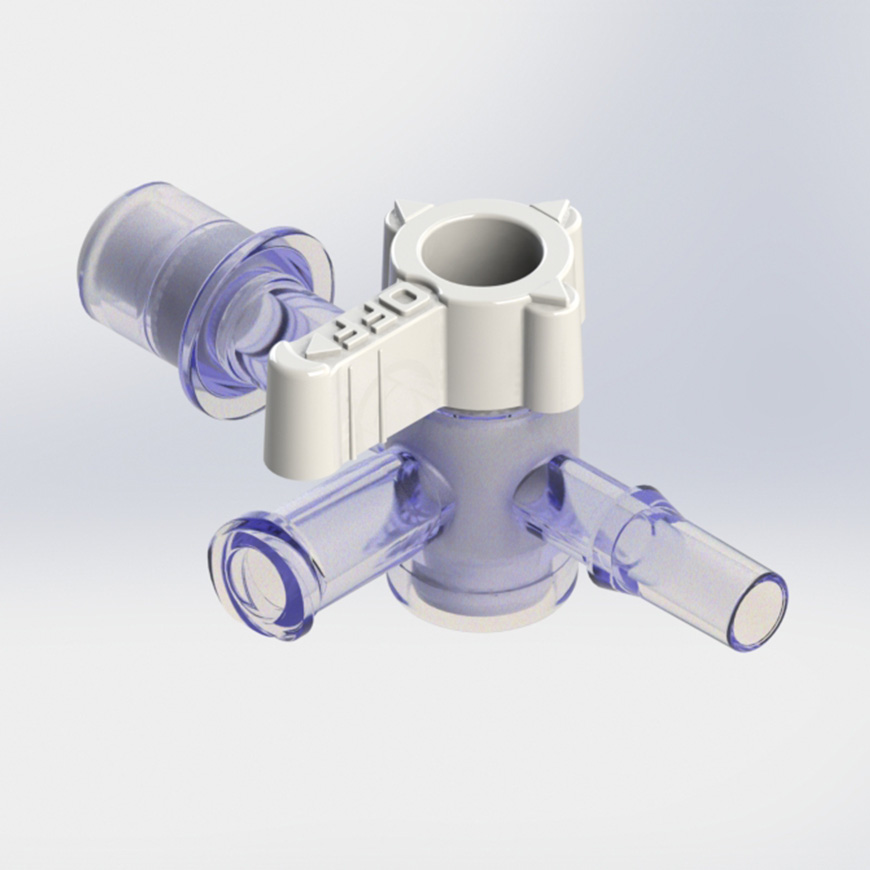
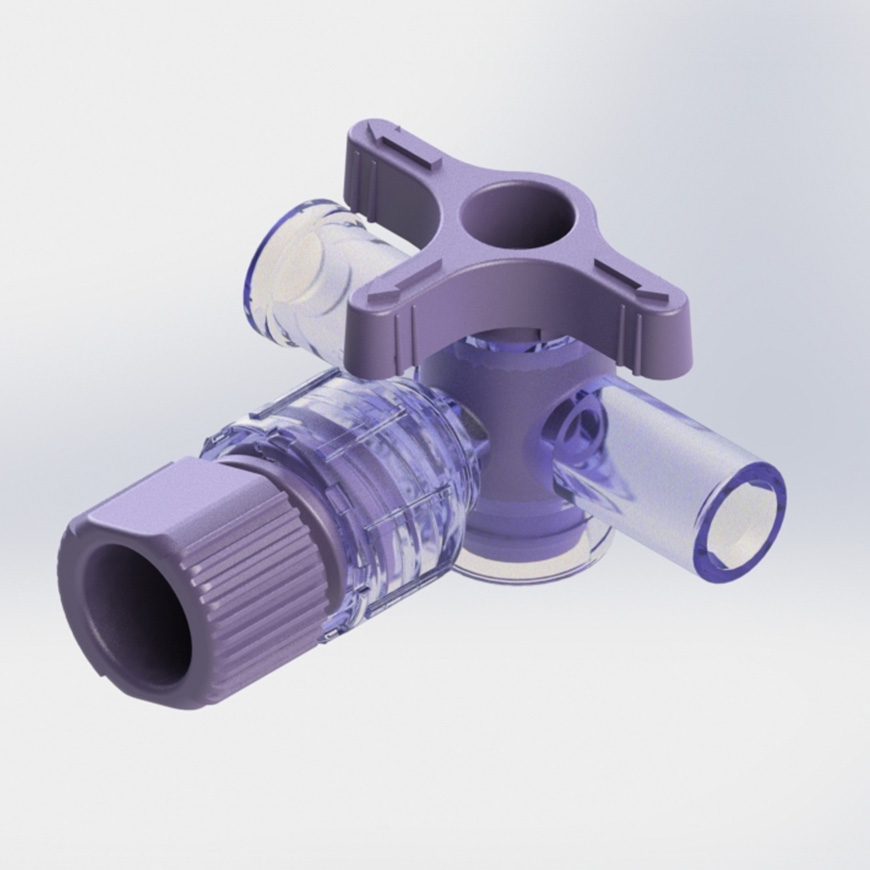
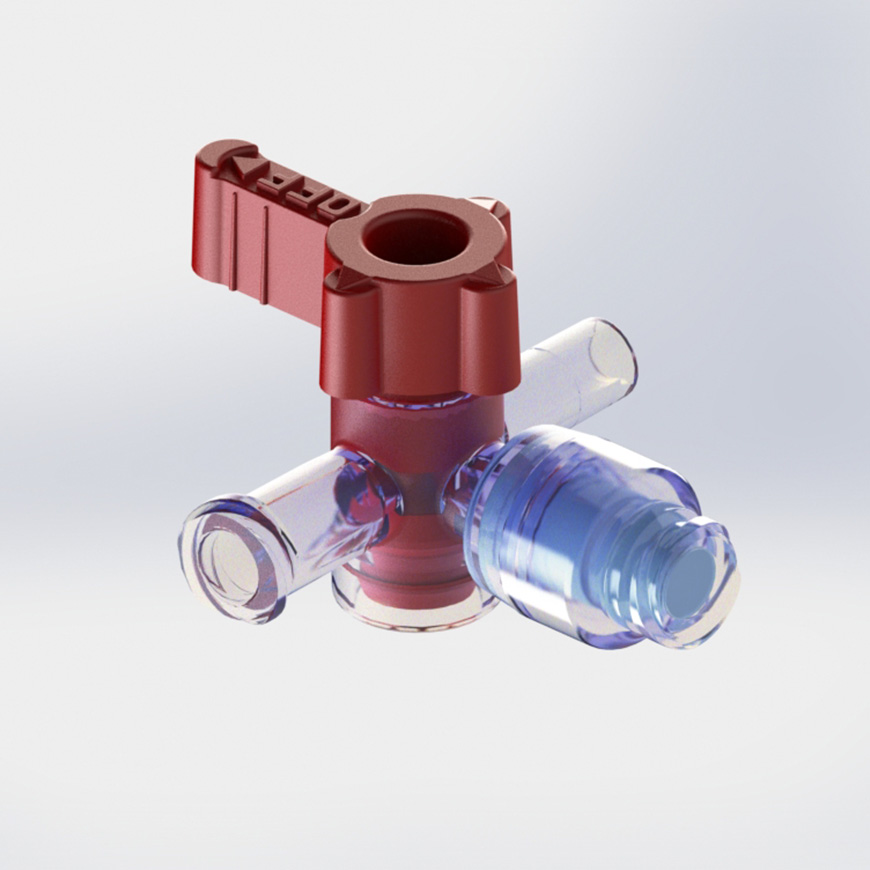
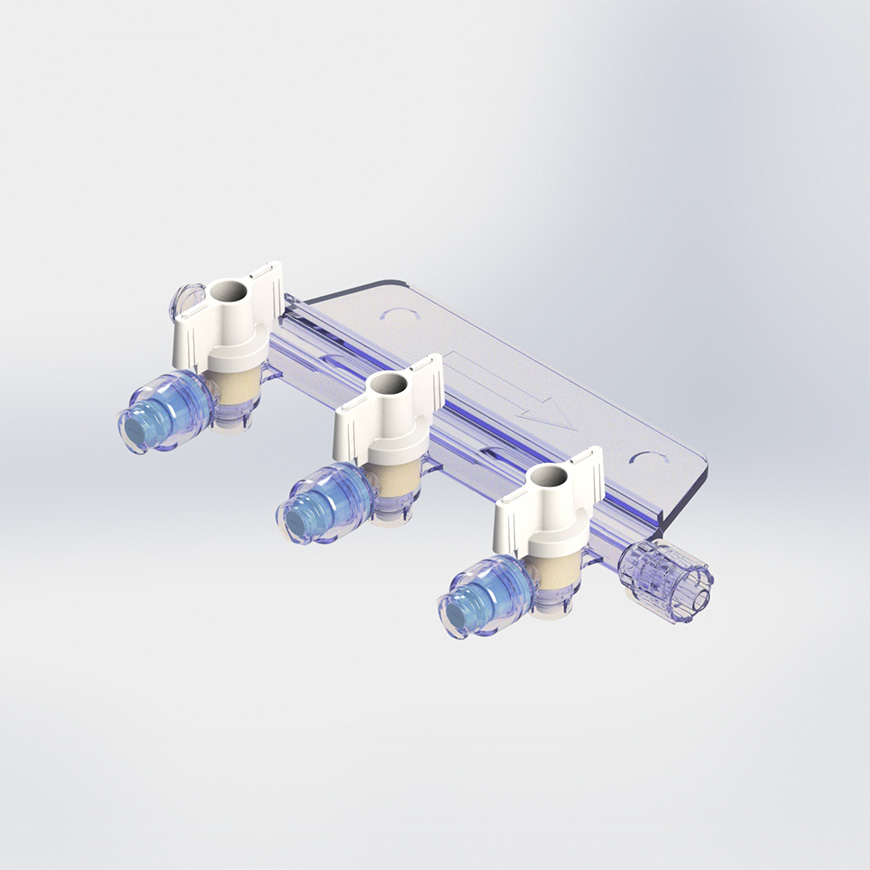
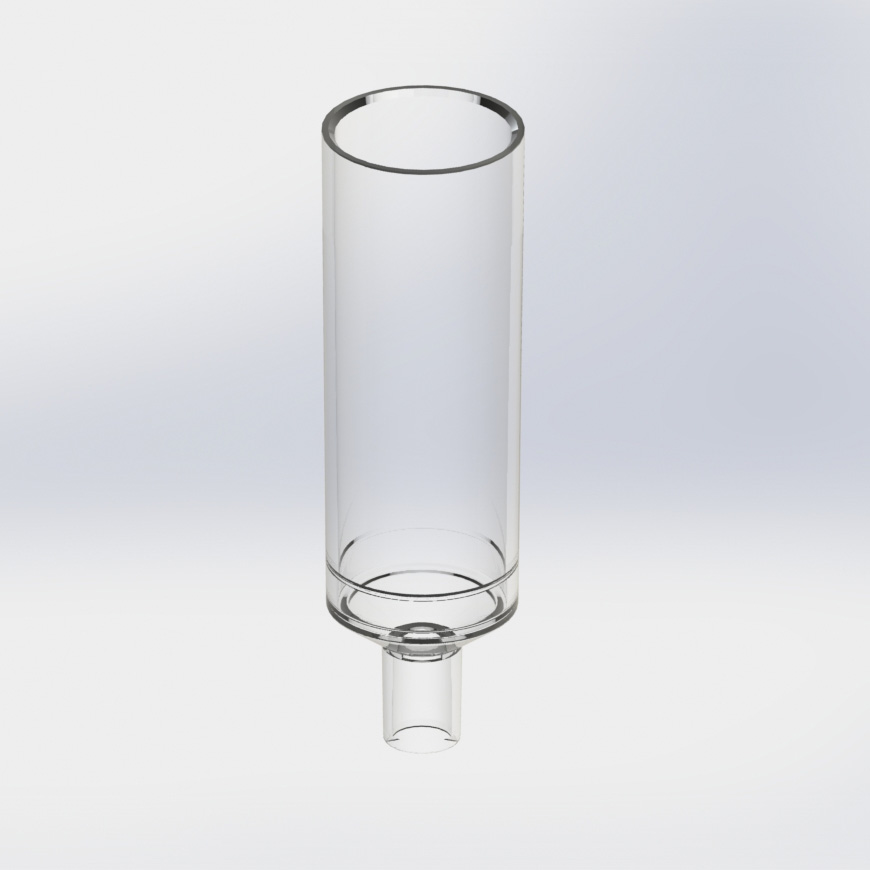
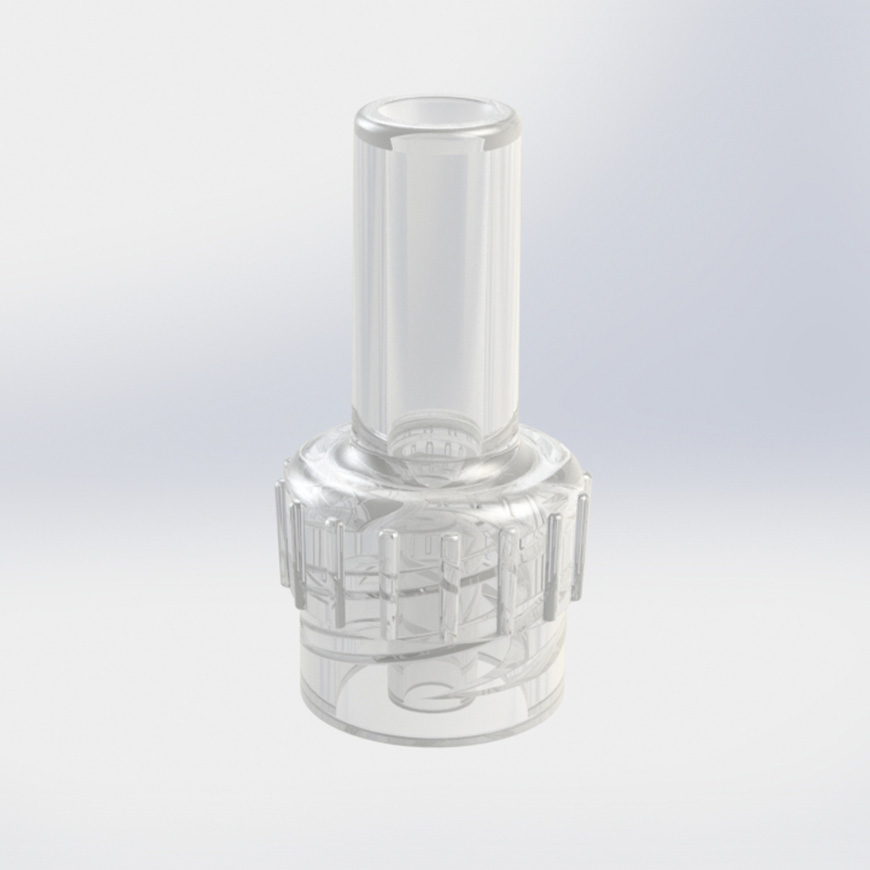
View several examples of Elcam’s customized products