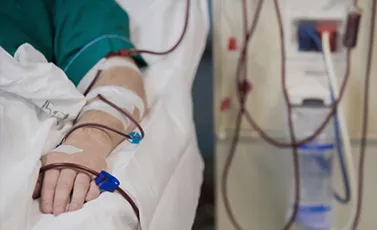
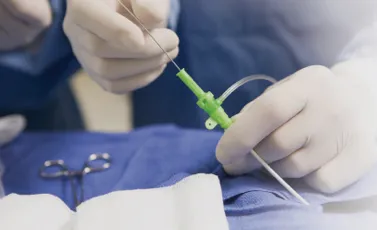
Recent years have brought about much attention to the danger and toxic effects that antineoplastic drugs used for treating Oncology patients pose for healthy organs. This health hazard for medical staff and patients has promoted the development of systems that eliminate the exposure to hazardous drugs along the entire drug handling process.

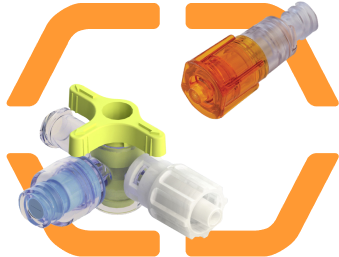
We at Elcam Medical strive to enhance safety in Oncology Infusion Therapy from preparation to administration. Elcam has been developing devices in this field for the last 10 years, including the Closed and Marvelous stopcocks that eliminate needle stick injury and minimize splatter and spills, the Safe2 Rotator™ that provides safe connection with reduced fear of leakage and Elcam’s OLAV, closed male Luer connector, that reduces exposure to hazardous drugs.

Stopcock

With the Marvelous™ you can save both costs and time

Marvelous™ ROI Calculator

Calculate Now

FAQs

What makes oncology infusion therapy different from standard IV therapy?
Oncology infusion therapy involves the preparation and administration of hazardous antineoplastic drugs. Unlike standard IV treatments, oncology workflows require additional safeguards to minimize exposure risks for both patients and healthcare professionals throughout the entire process.
Why is exposure prevention critical in oncology drug administration?
Antineoplastic drugs are inherently toxic and can cause harm through skin contact, inhalation, or accidental spills. Preventing exposure is essential to protect healthcare workers, ensure patient safety, and support compliance with oncology safety guidelines.
How do closed systems help reduce hazardous drug exposure in oncology?
Closed systems are designed to maintain sealed fluid pathways during drug preparation, transfer, and administration. By limiting open access points, they reduce the risk of leaks, spills, and vapor escape during oncology infusion workflows.
What role do medical devices play in oncology safety?
Medical devices used in oncology infusion therapy are engineered to create secure connections, reduce disconnections, and eliminate unnecessary needle-based access. These design features support safer handling of hazardous drugs across clinical settings.
Why is needle stick injury prevention especially important in oncology?
Needle stick injuries in oncology settings may expose healthcare staff to hazardous drugs. Reducing or eliminating needle-based access points is a key factor in lowering occupational risk during oncology infusion therapy.
How do oncology safety solutions support the entire drug handling process?
Oncology safety solutions are designed to protect healthcare professionals from drug preparation through administration and disposal. Maintaining system integrity at every stage helps minimize cumulative exposure risks over time.
Why is ease of use important in oncology safety devices?
Oncology treatments often involve complex protocols and repeated handling steps. Devices that are intuitive and easy to operate help reduce user error and support consistent adherence to safety practices.
How does Elcam develop oncology safety solutions?
Elcam develops oncology safety solutions based on clinical collaboration, regulatory requirements, and decades of experience in infusion system design. The focus is on reducing hazardous drug exposure while integrating seamlessly into existing oncology workflows.
What quality and regulatory standards apply to Elcam’s oncology solutions?
Elcam’s oncology devices are manufactured under ISO 13485–certified quality management systems and comply with applicable international medical device regulations, ensuring consistent safety, quality, and regulatory readiness.

    bool(false)