Elcam Safety
 Elcam Drug Delivery Devices
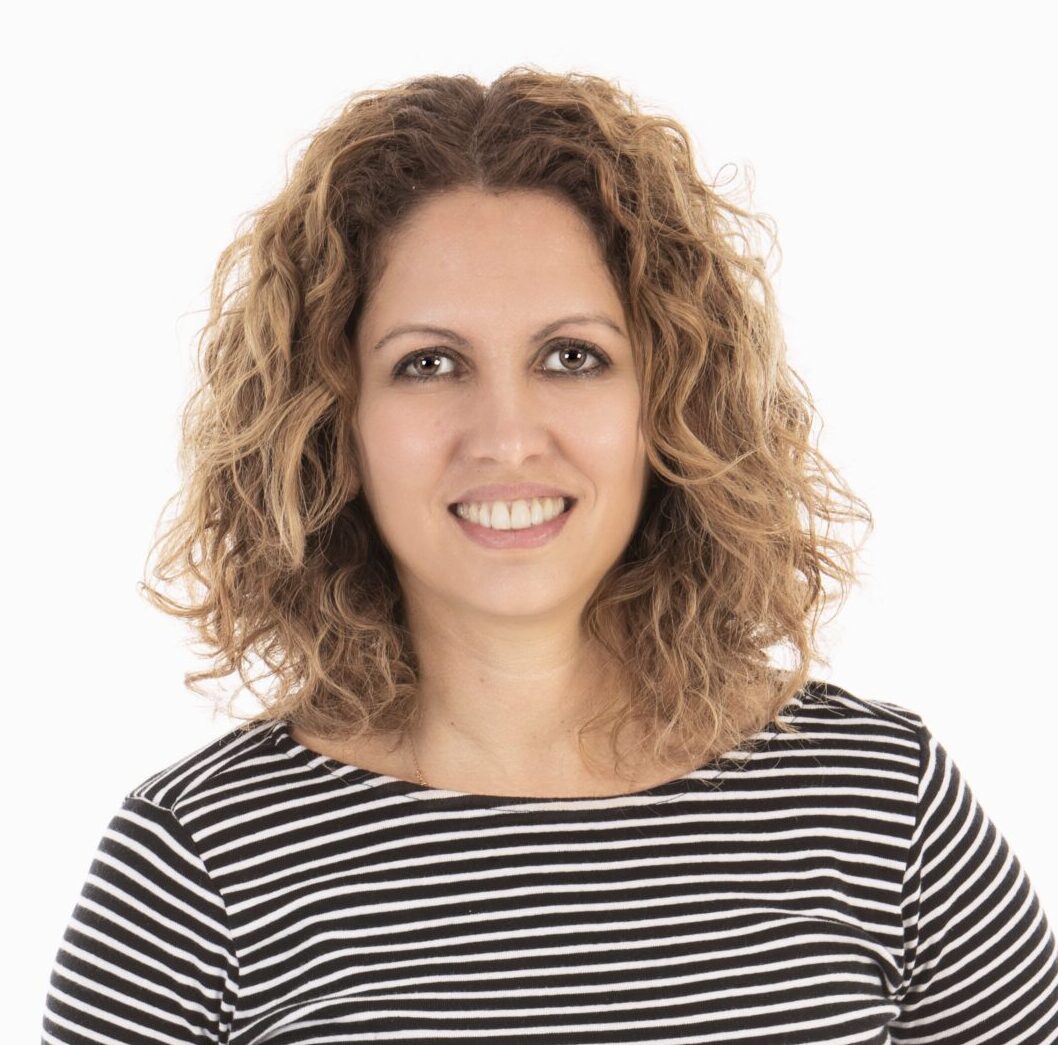
Where Strategy Meets Execution: Meet Hadas Raviv
As Hadas Raviv describes it, project management is an iceberg. What you see on the surface is just a tiny sample of the actual responsibilities that lie beneath.
As head of Elcam’s Project Management Office (PMO), Hadas keeps people, priorities, and decisions all moving in the same direction, adapting precision manufacturing to the demands of patient care.
“With approximately 100 active projects and hundreds of activities going on at the same time,” Hadas says, “we have to prioritize constantly and keep all of our teams and functions synchronized.”
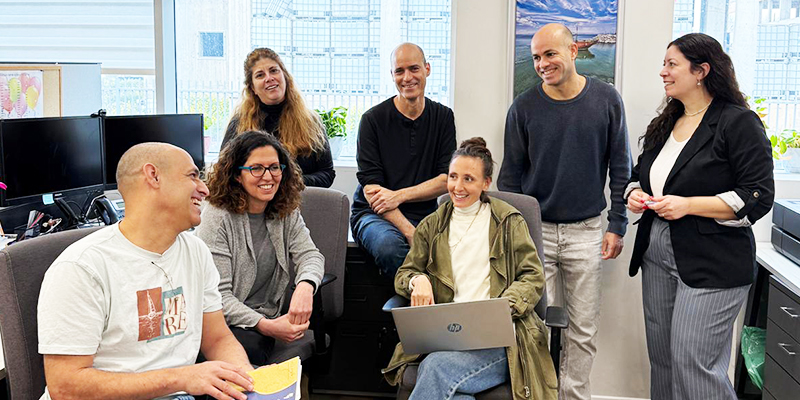
From her office at Elcam’s northern Israeli headquarters, with a mountain view overlooking a pond, Hadas leads a team of five project managers. She also works with a project officer (PO), who oversees logistics.
Over her many years at Elcam, Hadas has learned to look beyond individual deliverables to the entire project portfolio. As she describes it, the PMO is a “buck-stops-here” position that is essential for Elcam’s growth. And there’s more to it than meets the eye.
More Than Meetings and Gantt Charts
It’s easy to mistake the job of project manager for an administrative position. They bring stakeholders together, run meetings, coordinate timetables, and check the many boxes on the road to product release. But that’s just the tip of the iceberg.
“For me, the PMO isn’t a support function,” says Hadas. “It’s a strategic execution driver.”
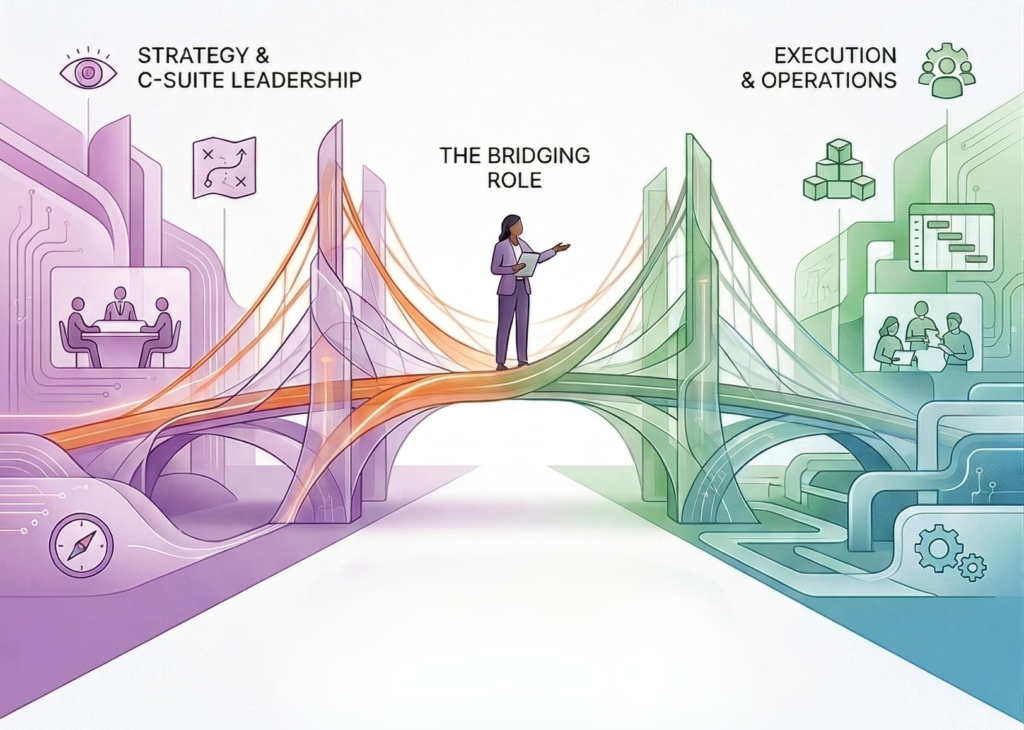
The PMO role is accountable both to the C-suite and to employees at all levels. “My role bridges strategy and execution—making sure what leadership decides actually works on the ground.”
That involves, in part, empowering project managers to see themselves as leaders. “Our project managers are not individuals who were simply ‘assigned to lead’ a task,” says Hadas. They need to be able to think ahead, anticipate obstacles, and guide their teams forward. “We’re here to lead the team, not to follow behind.”
Though it’s sometimes challenging, she does her best to hold in-person meetings every two weeks. When that’s not possible, they touch base virtually. “We’re able to work anywhere we need, and that’s very relevant these days,” she says. “Our teams are spread out in different places, different countries, sometimes.”
She also meets individually with each PM to discuss potential conflicts and help them overcome speedbumps in their individual projects.
And yes, even after many years, she says speedbumps still come up often. When she’s faced with surprises or challenges, Hadas says, “It’s important to be flexible, to be agile, to know how to overcome these problems, but still achieve the best outcome.”
Managing Diverse Stakeholders
While the number of people Hadas directly supervises is limited, her influence extends across the organization. At Elcam, she’s gained valuable experience leading interdisciplinary teams, including R&D, QA, manufacturing, and marketing.
“Our job is to make sure teams don’t work in silos—that everyone moves forward together.”
Bringing teams together can introduce challenges, because every department operates differently. “They have different needs,” says Hadas. “They have different work and issues that they need to deal with. I need to stay agile and adapt myself to their needs.”
Staying agile also means evolving the PMO functions. As more teams come on board collaborating across locations, Hadas is focused on improving communication and responsiveness through better tools and shared workflows. AI is already helping with routine tasks like summarizing meetings and drafting documents. She says this saves project managers about 20% to 30% of their time, letting team members focus more on advancing projects.
When One Project Isn’t the Only Project
With so many projects on the go at any given time, every strategic choice has an effect somewhere else.
As Hadas explains it, every project is a balancing act between scope, time, and cost. Change one, and the others move too. So it’s Hadas’s job to keep everything in balance.
“I’m involved in the small details,” says Hadas, “but I also have to keep my eyes on the whole portfolio.”
Since resources—like manufacturing capacity, engineering bandwidth, and regulatory sequencing—are finite, sometimes one initiative needs to be prioritized even at the expense of another.
“Keeping the entire portfolio aligned is the real challenge for me as a PMO leader. We’re the layer that connects management priorities to what teams can realistically deliver,” Hadas says.
In practice, that sometimes leads to challenging conversations with stakeholders; for example, shifting resources from one project to another, like moving an engineer to another task where they’re needed more urgently. Hadas achieves this through diplomacy, sharing information about strategic priorities to help get everyone on board.
These challenges also show up in cross-border projects. As collaboration grows with Elcam’s production facilities in Italy, Hadas finds herself coordinating product development in Israel with production in Italy—while staying in close contact with the client at all times. Her role is to keep all sides aligned and working as one integrated team.
No Shortcuts for Medical Devices
The demands of the medical devices industry make Hadas’s job even more complex. So does Elcam’s commitment to deliver solutions that advance the health and wellbeing of caregivers and patients.
To back up that promise to customers and partners, speed can never be allowed to override safety. Regulatory demands can also slow down project execution.
“We try to work lean,” says Hadas, “but you need to go through certain required tests, and you can’t skip a phase. We enable flexibility within a controlled framework—so the organization can move efficiently without compromising traceability or compliance integrity.”
As trendy as it may be today to say you’re “moving fast and breaking things,” that’s the opposite of the way Elcam’s teams operate.
Even when timelines are tight, Hadas says, she and her team members do all they can to ensure that excellence and professionalism are front of mind.
Behind Every Timeline Is a Patient
As head of Project Management, Hadas’s day-to-day work is very far removed from the busy world of patient care. She works with internal “customers,” including R&D, QA, manufacturing, and management.
But she never loses sight of where the products she’s overseeing are going. Every internal alignment decision will eventually impact a clinical setting.
For Hadas, and for all Elcam employees, it’s never just about company performance or creating and selling innovative products. It’s about safe, reliable care.
“We have a responsibility for the product that we provide,” says Hadas. “Ultimately, it’s going to save lives in hospitals and medical settings, so we have to constantly keep that front of mind, no matter what we’re doing.”
Yes, Hadas and her team solve production dilemmas and untangle resource conflicts every single day. But it all comes down to one very simple principle that lies at the heart of everything Elcam does: delivering high-quality devices to clinicians who are improving patients’ lives in clinical settings all over the world.